North Vs. South Of Ventura: What Sherman Oaks' Median Price Won't Tell You
August 13, 2026
August 13, 2026
A 10,000 square foot lot in the Sherman Oaks hills can look enormous on a listing sheet. Once slope, setback, and drainage easements are accounted for, that same lot might leave a buyer with 3,000 square feet of yard they can actually stand on. The other 7,000 square feet exist on paper, not underfoot.
That gap between lot size and usable land points to something bigger than one property. Sherman Oaks does not have a single housing market. It has two, split almost exactly down Ventura Boulevard, and the town-wide median price quoted on any portal is a blend of both.
If you're comparing Sherman Oaks against other San Fernando Valley neighborhoods, that blended figure is working against you. Two buyers with identical budgets can end up in completely different transactions depending on which side of the boulevard they shop, and the difference shows up in closing costs, insurance quotes, and resale timelines, not just the photos.
Over the three months ending May 2026, Sherman Oaks homes sold at a median price near $1.3 million, down slightly from the same period a year earlier. A separate snapshot taken in late July 2026 put the blended median at roughly $1.285 million, with a typical marketing period of about 26 days and around 2.4 months of supply on the market.
Those two figures roughly agree with each other. The days-on-market numbers do not. One measurement puts the typical sale at about 26 days. Another puts the median closer to 56 days over a similar window. That's not really a contradiction. It's a symptom. A blended citywide number is averaging fast-moving flat-lot ranch homes against slower-moving hillside listings that need the right buyer to walk through the door, and depending on which properties happen to close in a given month, the "typical" timeline can swing by a month or more.
That swing is the whole case for treating Sherman Oaks as two markets instead of one.
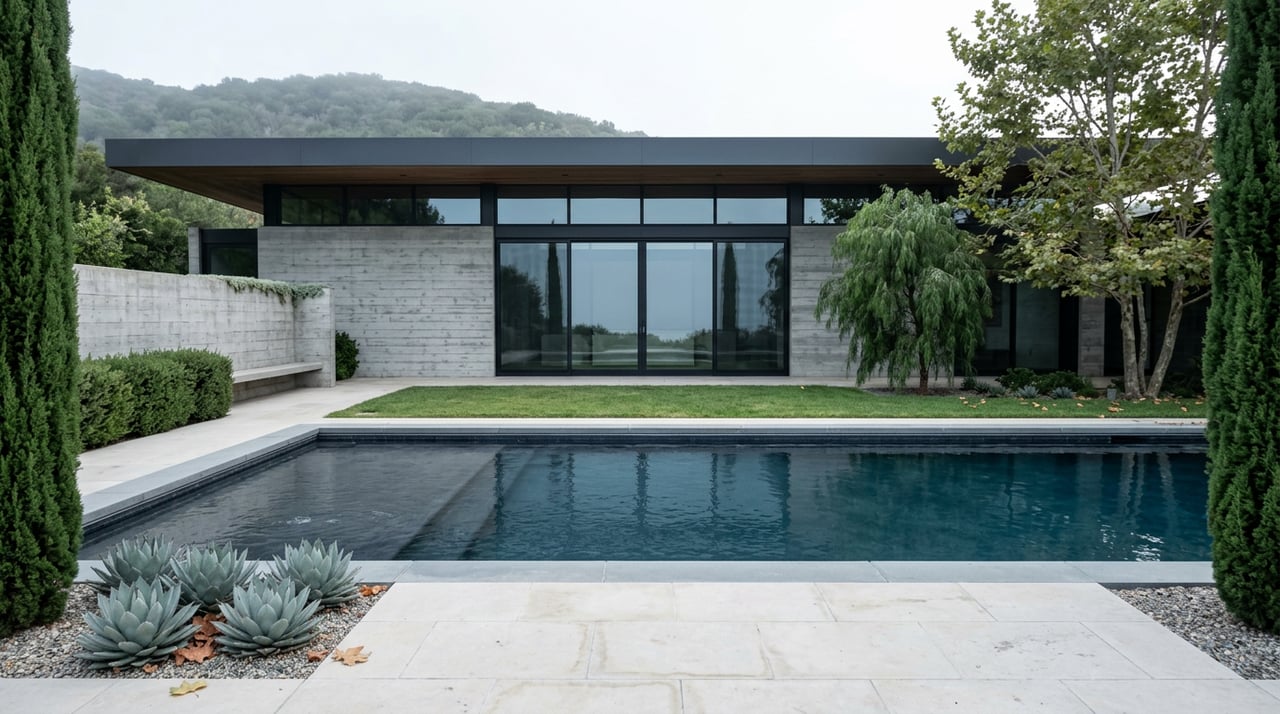
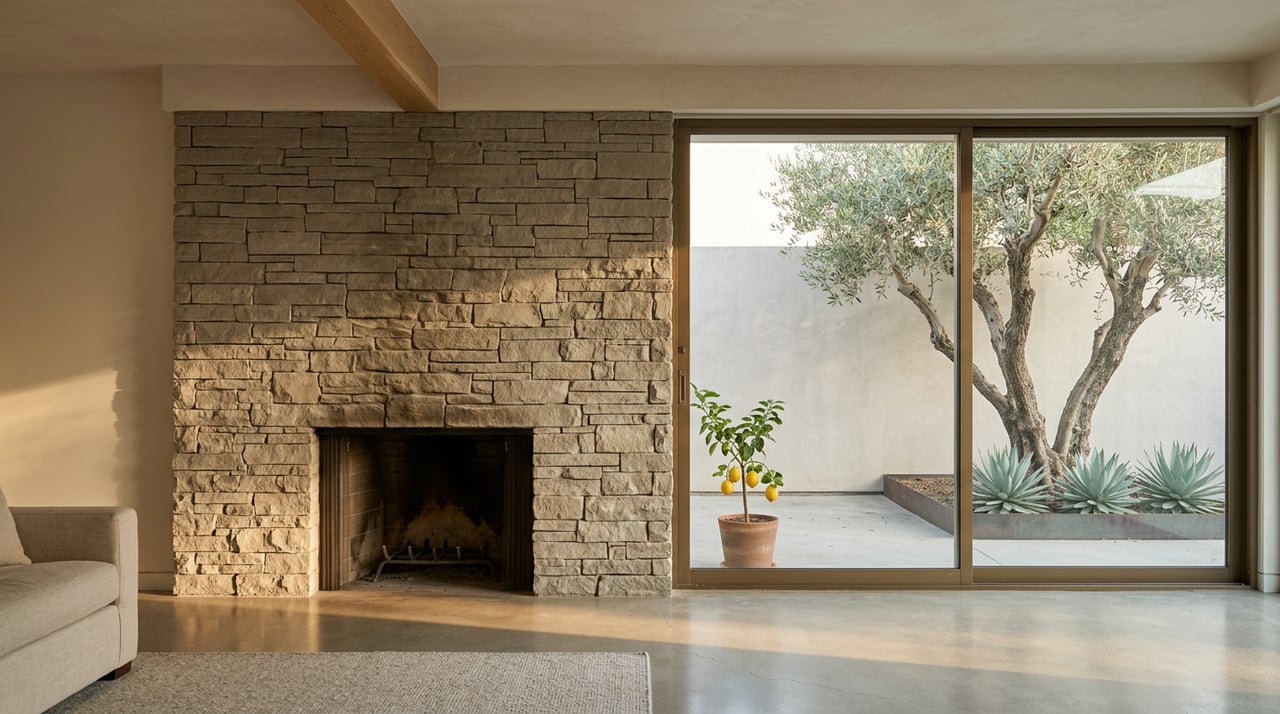
Roughly 80 percent of the land south of Ventura Boulevard sits inside the Santa Monica Mountains, which means the properties here are ridgeline and canyon lots rather than standard rectangular parcels. This is the side of Sherman Oaks known for mid-century modern architecture, including post-and-beam homes by architects like Richard Dorman and Rodney Walker, where walls of glass open onto valley views instead of front lawns.
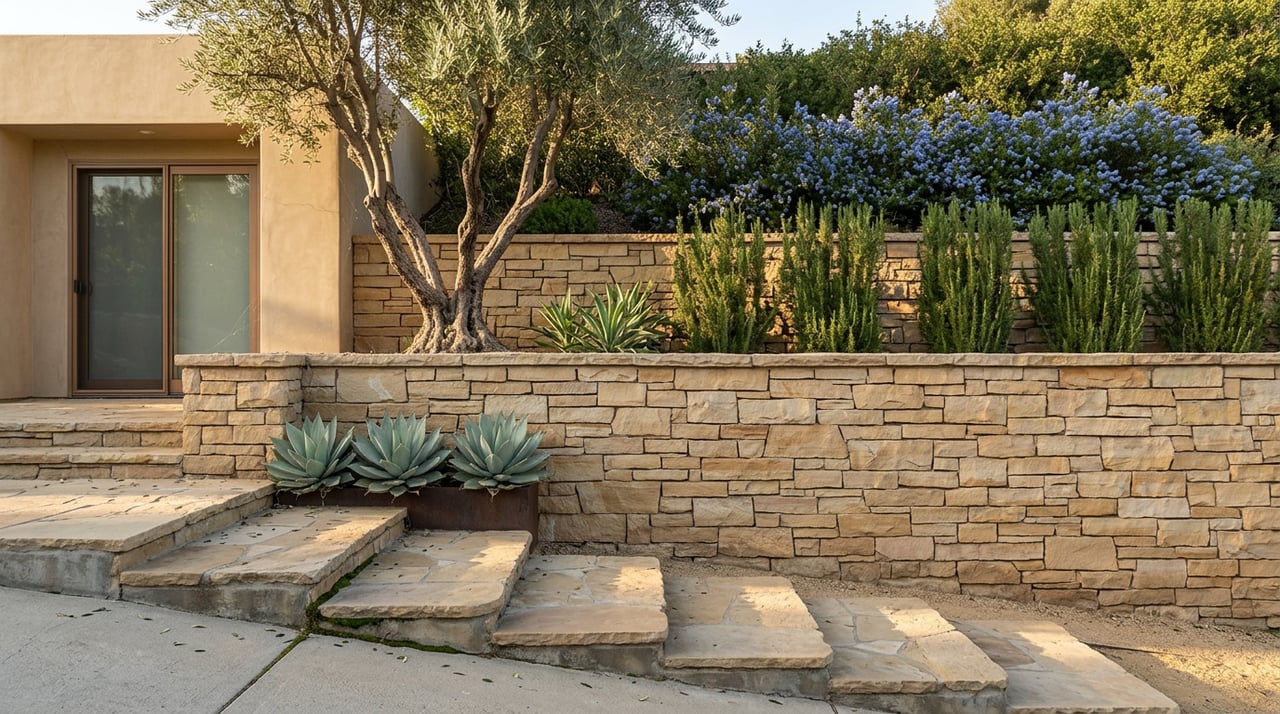
Entry-level pricing on this side starts around $2 million for a home in solid condition. Trophy properties in Longridge Estates reach $6 million to $10 million. But price per square foot measures something different on a hillside listing than it does on a flat lot. A low number doesn't automatically signal value if the site requires expensive drainage work, retaining walls, or difficult access. A hillside listing and a flat-lot comp are not the same product, and pricing that ignores the site work needed to make sloped land livable will miss the real number by a wide margin.
The buyer pool here is also structurally smaller. View-driven hillside properties draw buyers who want that specific trade-off, which means pricing has to be precise. Overprice a hillside listing and it can sit, because there's no larger pool of flat-lot shoppers to absorb the overflow.
| South of Ventura | North of Ventura | |
|---|---|---|
| Typical terrain | Ridgeline and canyon lots, roughly 80% within the Santa Monica Mountains | Flat parcels, standard 1930s-40s lots |
| Entry pricing | Around $2 million for move-in condition | Roughly $1.2 million to $1.3 million |
| Ceiling | Longridge Estates trophy homes, $6 million to $10 million | New construction in strong pockets, $4 million to $5 million |
| Typical lot size | Varies sharply with slope; usable yard often much smaller than lot size | 6,750 sq ft standard, with some parcels reaching 10,000 to 11,000 sq ft |
| Architecture | Mid-century post-and-beam, including work by architects like Richard Dorman and Rodney Walker | 1950s ranch homes built largely by developer William Mellenthin |
| Buyer pool | Narrower, view-driven, pricing must be precise | Broader, family-oriented, more predictable resale |
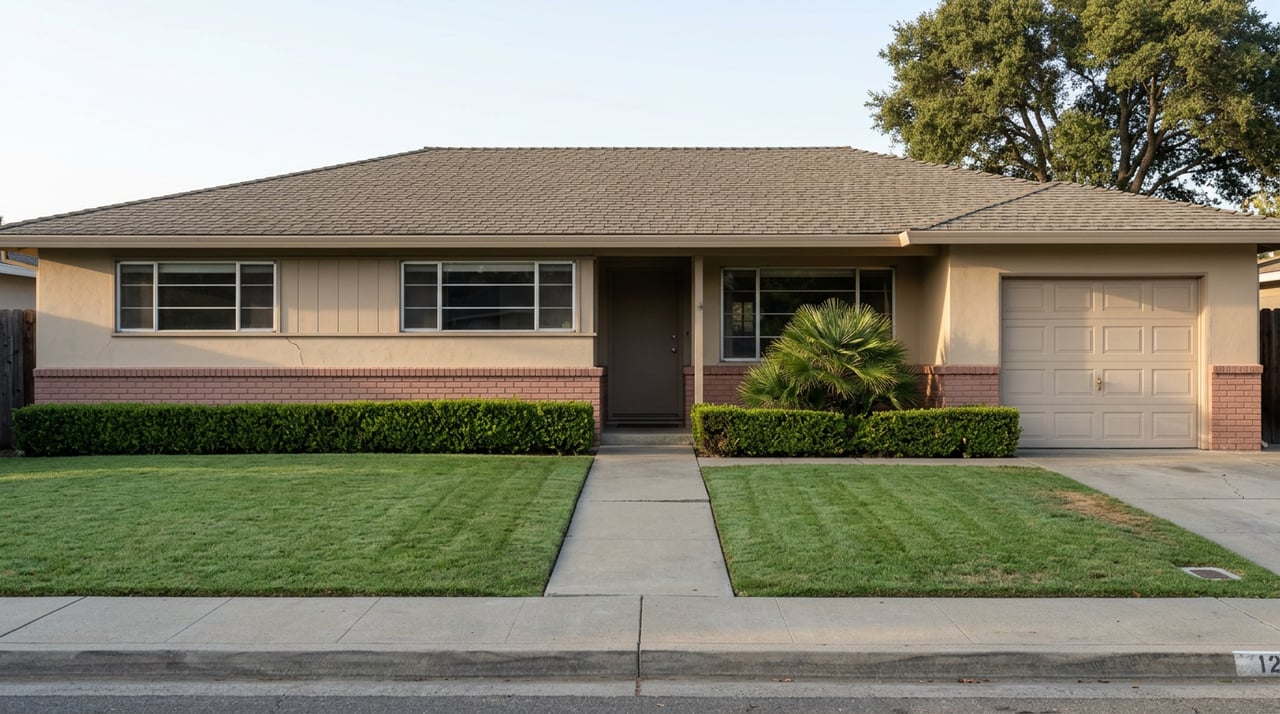
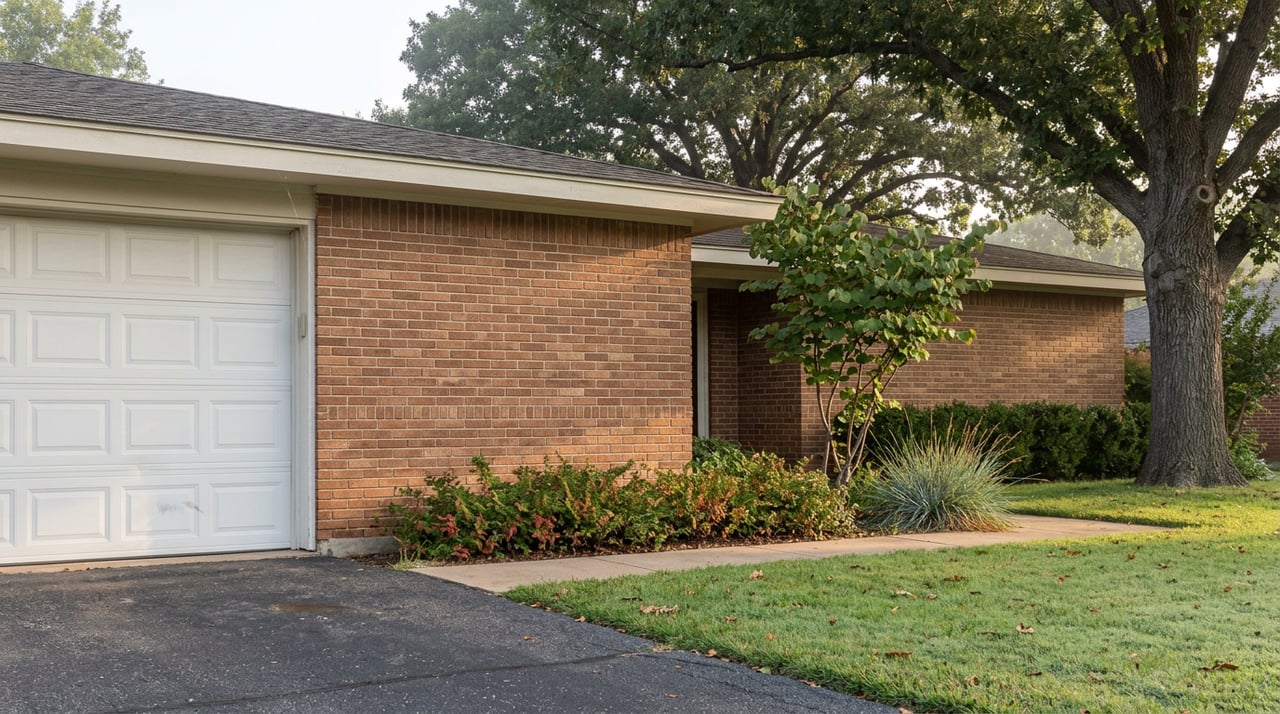
North of Ventura Boulevard, the terrain flattens out and the architecture shifts just as sharply. Much of this side was built out in the 1950s by developer William Mellenthin, whose ranch homes carry diamond-pane windows, cupolas over the garage, and wood trim detailing that still reads as distinctive today. Standard lots from that era run about 6,750 square feet, though oversized parcels in the 10,000 to 11,000 square foot range exist throughout the flats.
Entry pricing here starts closer to $1.2 million to $1.3 million, with new construction in the most desirable pockets reaching $4 million to $5 million. What you see on the plot map is close to what you get. There's no slope calculation standing between the listed lot size and the usable yard.
That difference matters most for anyone planning a pool, an addition, or simply a yard their kids can use without a retaining wall cutting through the middle of it. A flat lot's value isn't just aesthetic. It's functional, and functional space attracts a wider range of buyers when it comes time to sell.
The 10,000-to-3,000 square foot gap mentioned earlier isn't an outlier. It's how hillside math tends to work in Sherman Oaks. A steep upslope lot can lose most of its paper acreage to unusable grade, and the buyer inherits the cost of making the remaining land functional: engineered drainage, retaining walls, and site access that a flat-lot buyer never has to budget for.
This is also why comparing a hillside listing's price per square foot to a flat-lot comp rarely holds up. The two products aren't interchangeable. A hillside home should be measured against other hillside sales, and a flat-lot ranch should be measured against other flat-lot ranches. Blend them, the way the citywide median does, and the resulting number describes neither property well.
A few questions worth answering before a Sherman Oaks search narrows to specific listings:
Sherman Oaks doesn't have a median home. It has two neighborhoods sharing one boulevard and one zip code.
Is North of Ventura cheaper because it's a lesser location? Not really. The lower entry pricing reflects the underlying product, a flat lot with a 1950s ranch home, which is structurally a different asset than a hillside view property. It isn't a signal that the location itself is worth less.
Does a low price per square foot on a hillside listing mean it's a good deal? Not on its own. Site costs like drainage, retaining walls, and access work can absorb the apparent savings quickly. Hillside listings need to be measured against other hillside sales, not against flat-lot pricing.
If you're weighing Sherman Oaks against other Valley neighborhoods, or trying to figure out which side of Ventura Boulevard actually fits your next five to ten years, Lori Morrissey can walk you through comps that match your target property rather than a blended citywide average. A free home valuation is the fastest way to see what your specific lot, on your specific side of the boulevard, is really worth right now.
With over two decades of experience, exceptional market knowledge, and a commitment to community growth, you'll receive expert guidance, personalized service, and proven results every step of the way.

Morrissey, Lori Lynne | CA DRE# 01362129
Stratton - LFCA, Inc. | CA DRE# 02211662
[email protected]
(818) 395-5212
License #23345566
Encino, CA 91316